


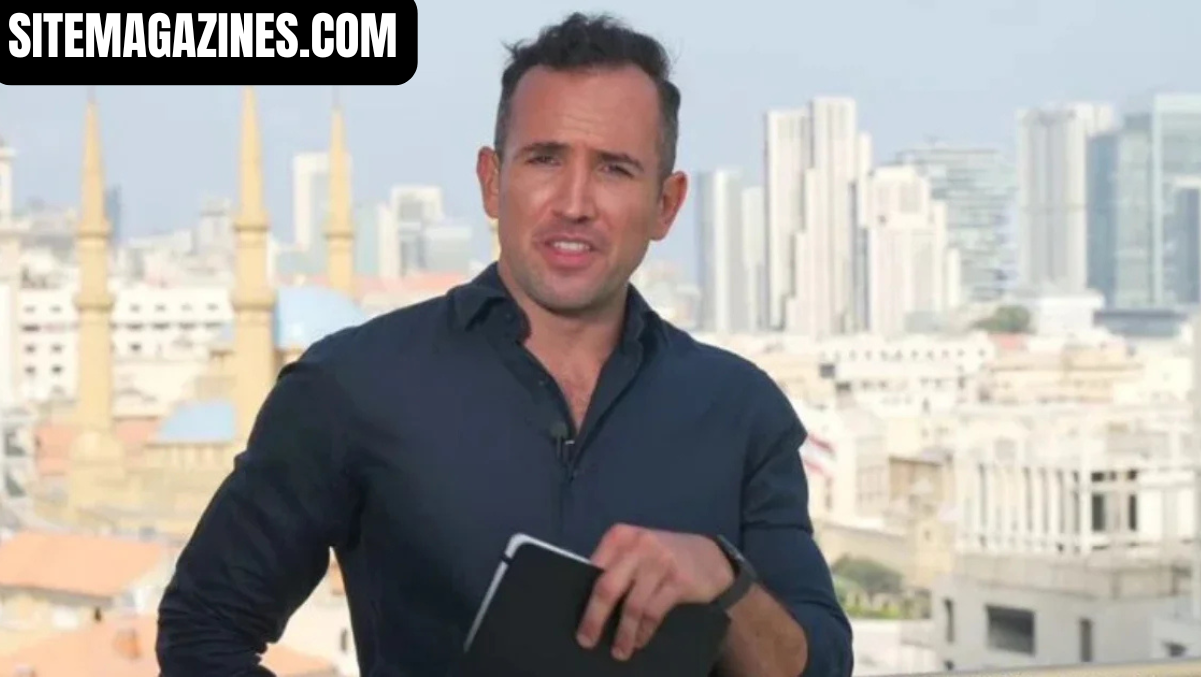
The hugo bachega biography offers an insightful look into the career of a journalist who has built a strong reputation through calm, accurate, and thoughtful international reporting. In an age where news often feels rushed or overly dramatic, his work stands out for its clarity and professionalism. Audiences who follow global affairs have come to recognize his composed delivery and ability to explain complex events in a clear, human way.
When people search for the hugo bachega biography, they are usually trying to understand not just where he comes from, but what shaped his approach to journalism. His career reflects years of preparation, field experience, and a deep respect for journalistic ethics. This article explores his background, education, professional growth, and why his reporting remains relevant today.
Early Life and Personal Background
The early years described in the hugo bachega biography reveal the foundations of a journalist with an international mindset. While Hugo Bachega keeps much of his personal life private, it is clear that his upbringing exposed him to diverse cultures and viewpoints. This early exposure helped him develop curiosity about global events and the people affected by them.
From a young age, he showed interest in understanding how the world works rather than simply observing it. News, politics, and international stories caught his attention long before journalism became his profession. This natural curiosity later translated into a career focused on explaining the world to others.
Another important aspect of the hugo bachega biography is the sense of balance in his personality. He combines empathy with analytical thinking, allowing him to report on sensitive topics without losing emotional awareness or factual accuracy.
Education and Academic Path
Education plays a key role in shaping the hugo bachega biography, providing him with the tools needed to navigate complex global stories. He pursued academic studies related to journalism, media, and international affairs, which helped him develop strong research and communication skills.
During his studies, he learned how to evaluate sources critically and present information responsibly. These skills became essential later when reporting from regions where misinformation and uncertainty are common challenges. His academic background gave him confidence in asking the right questions and verifying facts under pressure.
The educational phase of the hugo bachega biography also highlights his commitment to continuous learning. Even after entering professional journalism, his work shows an ongoing effort to deepen his understanding of political systems, history, and global dynamics.
First Steps in Journalism
The professional journey outlined in the hugo bachega biography began with early newsroom roles that allowed him to learn the craft from the ground up. Like many journalists, he started by covering a wide range of topics, gaining experience in research, writing, and live reporting.
These early roles were critical in shaping his work ethic. Tight deadlines, editorial standards, and real-world consequences of reporting taught him discipline and responsibility. Rather than rushing toward prominence, he focused on mastering the fundamentals.
This stage of the hugo bachega biography reflects steady progress rather than sudden success. His reputation grew through reliability, attention to detail, and the ability to adapt to different reporting environments.
Becoming an International Correspondent
A defining chapter in the hugo bachega biography is his rise as an international correspondent. Reporting from regions affected by conflict, political change, or humanitarian crises requires not only courage but also emotional resilience and sound judgment.
Hugo Bachega became known for explaining high-stakes situations without exaggeration. His reports often focus on verified facts while giving voice to the people directly impacted by global events. This balance helps audiences understand both the scale and the human cost of international issues.
Another key moment in the hugo bachega biography is his ability to remain composed during live reporting. Whether covering breaking news or ongoing conflicts, his calm presence has become one of his most recognizable professional traits.
Reporting Style and Professional Ethics
One of the most respected elements of the hugo bachega biography is his reporting style. He avoids sensational language and focuses instead on clear explanations and verified information. This approach builds trust with viewers who want facts rather than speculation.
His journalistic ethics are evident in how he handles uncertainty. When information is still developing, he is careful to explain what is known and what remains unclear. This transparency strengthens his credibility and reflects responsible journalism.
The hugo bachega biography also shows a strong commitment to context. Rather than presenting events in isolation, he connects them to historical, political, and social factors that help audiences understand the bigger picture.
Major Coverage and Career Highlights
Several important assignments define the hugo bachega biography, particularly his coverage of major international crises and political developments. These stories often required on-the-ground reporting in challenging and sometimes dangerous environments.
His ability to deliver accurate information under pressure has earned respect from both colleagues and viewers. Instead of focusing on personal risk or drama, he keeps attention on the facts and the people affected by events.
Another highlight in the hugo bachega biography is his consistency. Over time, audiences have come to expect a certain level of quality and calm professionalism whenever he appears, regardless of the complexity of the story.
Public Image and Media Presence
The hugo bachega biography also reflects a journalist who maintains a professional and understated public image. He does not seek attention outside of his reporting and rarely centers himself in the story.
This low-profile approach has helped him maintain credibility in an era where many media figures focus heavily on personal branding. His reputation is built on trust and performance rather than controversy.
Through the lens of the hugo bachega biography, it becomes clear that his public image aligns closely with his values: accuracy, responsibility, and respect for the audience.
Why His Work Is Important Today
In today’s fast-moving news environment, the hugo bachega biography represents the importance of thoughtful international journalism. His work helps audiences make sense of global events without oversimplification or unnecessary fear.
As conflicts and political shifts continue to affect people worldwide, journalists like Hugo Bachega serve as a bridge between distant events and everyday understanding. His reporting encourages informed discussion rather than emotional reaction.
The relevance of the hugo bachega biography lies in its reminder that good journalism still matters, especially when the world feels increasingly complex.
Final Thoughts on His Journey
Looking at the complete hugo bachega biography, it is clear that his career is built on preparation, integrity, and steady growth. From his early curiosity about global affairs to his current role as an international correspondent, each stage reflects commitment rather than shortcuts.
He stands as an example of how journalists can maintain professionalism even in high-pressure situations. His work shows that clarity and empathy can coexist with hard facts.
In the end, the hugo bachega biography is not just a story about one journalist, but about the enduring value of responsible, well-informed reporting in a rapidly changing world.