


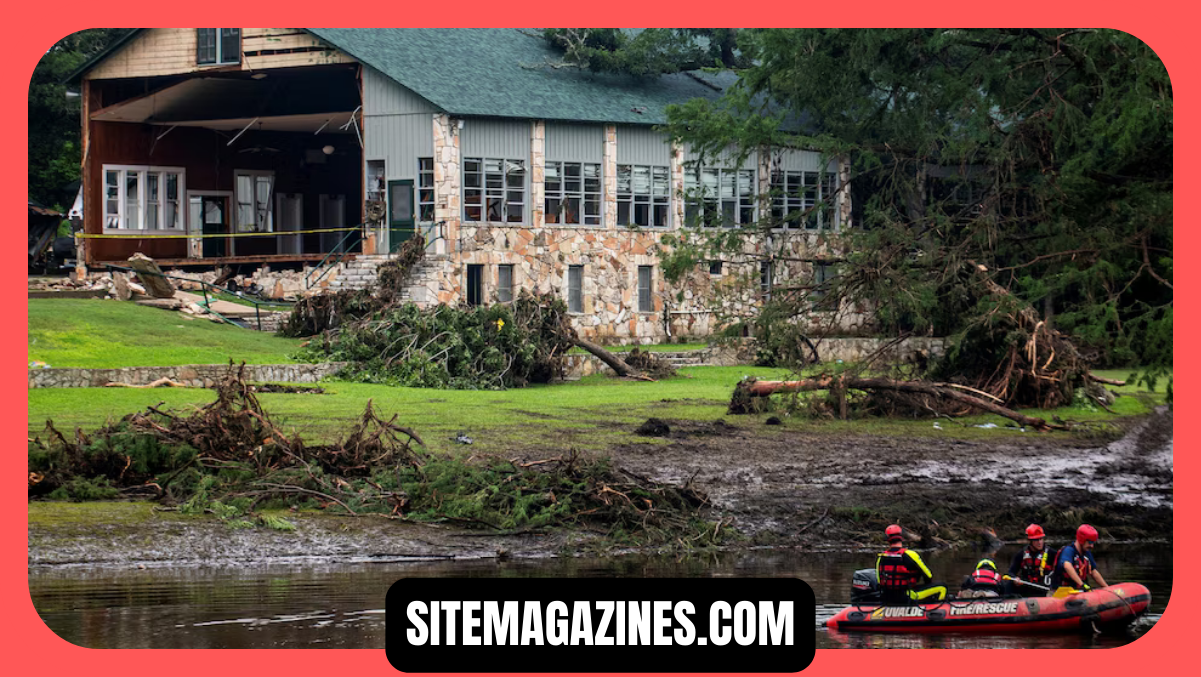
Understanding the Camp Mystic Flooding Event
Camp Mystic flooding didn’t happen in a vacuum. Like many serious flood events tied to outdoor camps, it was the result of a fast-moving combination of weather, geography, and timing. Camp Mystic, located in Texas Hill Country, sits in a region known for its natural beauty—and unfortunately, its vulnerability to flash flooding. When heavy rainfall hits this area, water can rise quickly and with very little warning.
What made the Camp Mystic flooding especially alarming was how rapidly conditions changed. One moment, daily camp activities were continuing as planned; the next, water levels were rising across access roads, low-lying areas, and nearby waterways. Flash floods don’t behave like slow, predictable river floods. They surge, spread, and overwhelm drainage systems before people fully realize what’s happening.
From an expert standpoint, events like the Camp Mystic flooding highlight a recurring challenge in outdoor recreation planning: balancing tradition and location with evolving environmental risks. Camps built decades ago were often placed near rivers for convenience and scenery. Today, those same locations demand far more advanced monitoring and emergency planning than they once did.
What Caused the Camp Mystic Flooding?
At the core of the Camp Mystic flooding was intense rainfall over a short period. Texas Hill Country is infamous for storms that dump several inches of rain in just a few hours. When the soil is already saturated—or naturally rocky and unable to absorb water—rain becomes runoff almost immediately, rushing toward creeks and rivers.
Another key factor behind the Camp Mystic flooding was terrain. Hill Country’s steep slopes funnel water downhill at high speed, turning small streams into dangerous torrents. Even if rain falls miles away, water can still surge through campgrounds with little local rainfall, which makes forecasting and preparation especially difficult.
Finally, infrastructure plays a role. Older drainage systems, narrow bridges, and limited evacuation routes can all amplify the effects of flooding. While Camp Mystic and similar camps often follow safety standards, extreme weather events are increasingly pushing those systems beyond their design limits. The flooding wasn’t just about rain—it was about how modern weather stresses older layouts.
The Immediate Impact on Camp Mystic and Its Community
The Camp Mystic flooding had an immediate and emotional impact on campers, staff, and families. Camps are meant to be safe spaces, especially for children, so any disruption caused by flooding naturally raises concern. Evacuations, canceled sessions, and emergency protocols quickly became the focus as safety took priority over schedules.
Beyond the camp itself, the surrounding community felt the effects of the Camp Mystic flooding as well. Roads were closed, emergency services were stretched thin, and nearby properties experienced water damage. In rural areas, a single flooded road can isolate entire neighborhoods, complicating rescue and recovery efforts.
From a broader perspective, these impacts reveal how interconnected camps are with local infrastructure. Camps rely on county roads, volunteer first responders, and shared waterways. When flooding hits one facility, it often signals wider regional stress, reminding everyone that disaster preparedness must extend beyond property lines.
Emergency Response and Crisis Management During the Flooding
One of the most critical aspects of the Camp Mystic flooding was how quickly emergency plans were activated. Camp leadership, trained staff, and local authorities coordinated evacuations and safety measures under intense pressure. In flood scenarios, minutes matter, and clear decision-making can prevent injuries or worse.
Communication also played a central role during the Camp Mystic flooding. Staff needed to account for campers, relay information to parents, and stay in constant contact with emergency services. In recent years, camps have increasingly relied on digital alert systems and mobile communication, which can be lifesaving when traditional methods fall short.
Experts often point out that no emergency response is perfect, especially during flash floods. However, reviewing how the Camp Mystic flooding was handled provides valuable insight into what worked and what could be improved. These real-world experiences become training tools for other camps facing similar risks.
Long-Term Lessons from the Camp Mystic Flooding
The biggest takeaway from the Camp Mystic flooding is the need for proactive planning rather than reactive fixes. Flood risk assessments, updated evacuation routes, and real-time weather monitoring are no longer optional for camps in flood-prone regions. Climate patterns are changing, and historic data alone isn’t enough to predict future risks.
Another lesson lies in infrastructure adaptation. Camps may need to rethink building placement, elevate critical facilities, or redesign drainage systems to handle extreme rainfall. While these upgrades require investment, they are far less costly than recovery after a major flooding event like the one experienced at Camp Mystic.
Finally, education matters. Teaching staff and campers about flood awareness, warning signs, and emergency behavior builds a culture of safety. The Camp Mystic flooding serves as a reminder that preparedness isn’t just a policy—it’s a mindset that must be reinforced every season.
Why Camp Mystic Flooding Is a Broader Wake-Up Call
Although the Camp Mystic flooding was a specific event, its implications reach far beyond one camp. Across the country, camps, parks, and outdoor facilities are grappling with similar environmental risks. What happened at Camp Mystic mirrors a growing trend of weather-related disruptions in outdoor recreation.
Experts increasingly agree that adaptation is the path forward. This means blending tradition with technology—using advanced forecasting tools, revisiting land-use decisions, and strengthening partnerships with local emergency agencies. The Camp Mystic flooding underscores how quickly nature can challenge even well-run institutions.
In the end, the story of Camp Mystic flooding isn’t just about water rising. It’s about resilience, responsibility, and learning from hard moments. By taking these lessons seriously, camps and communities alike can reduce risk, protect lives, and ensure that outdoor experiences remain safe and enriching for generations to come.