


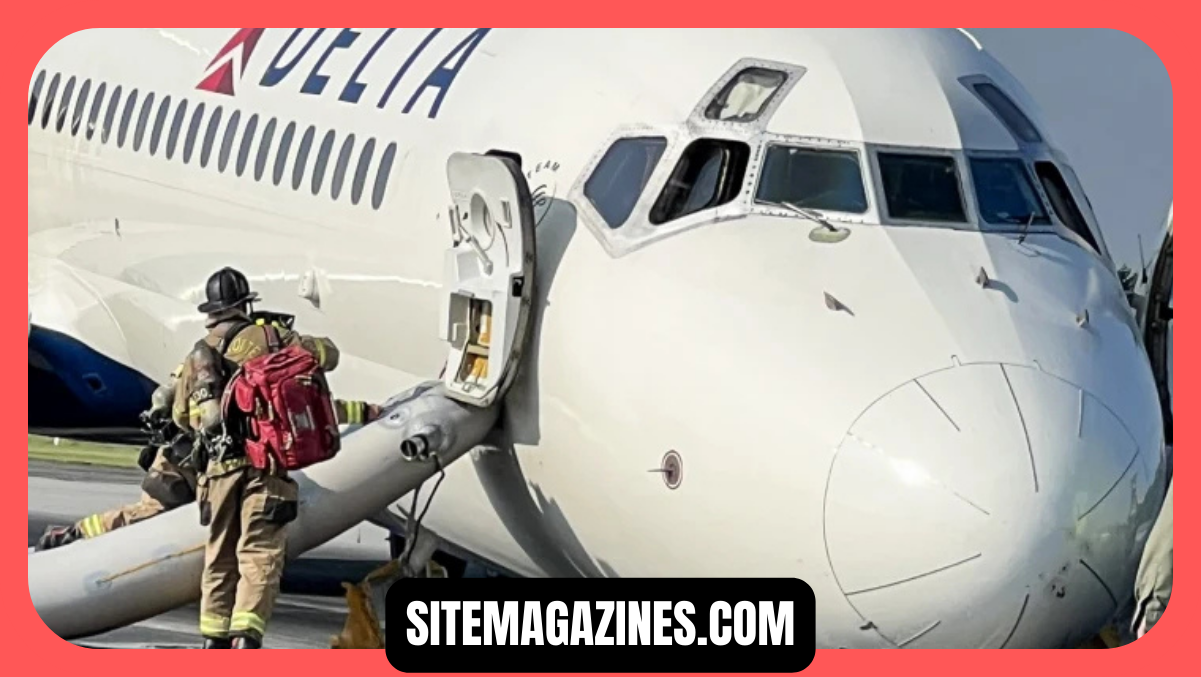
Air travel is statistically one of the safest ways to move around the world, yet the phrase delta flight emergency landing can instantly spark anxiety for passengers and readers alike. Headlines make it sound dramatic, but in reality, emergency landings are carefully planned, well-rehearsed events guided by strict aviation protocols. Delta Air Lines, one of the world’s most experienced carriers, handles these situations with a level of professionalism that often goes unnoticed by the public.
In this article, we’ll break down what a delta flight emergency landing actually means, why it happens, how Delta’s crews respond, and what passengers should expect during and after the event. The goal isn’t fear—it’s clarity. Understanding the process helps remove the mystery and replace it with confidence.
Let’s take a closer look at how emergency landings work behind the scenes and why they’re usually a sign that safety systems are doing exactly what they’re designed to do.
What Is a Delta Flight Emergency Landing and Why Does It Happen?
A delta flight emergency landing refers to any situation where a Delta aircraft lands earlier than planned due to a potential safety concern. The key word here is potential. An emergency landing doesn’t automatically mean danger—it often means caution. Pilots are trained to act early, not late, when something unusual occurs.
There are many reasons a delta flight emergency landing might be declared. These include medical emergencies involving passengers or crew, mechanical alerts from onboard systems, unusual odors or smoke in the cabin, bird strikes, or even weather-related concerns. Modern aircraft are filled with sensors that detect even minor irregularities, and pilots are expected to respond conservatively.
It’s also important to understand that “emergency” is a broad aviation term. Sometimes the situation is urgent, like a passenger requiring immediate medical attention. Other times, it’s precautionary, such as a warning light that doesn’t necessarily indicate a real failure. In both cases, the safest option may be to land as soon as possible.
How Delta Pilots and Crew Handle Emergency Landing Situations
When a delta flight emergency landing becomes necessary, the response follows a structured and highly disciplined process. Delta pilots undergo extensive simulator training that includes dozens of emergency scenarios, from engine issues to cabin pressure changes. These drills are repeated regularly, ensuring reactions are second nature.
The flight crew begins by assessing the issue using onboard checklists. Aviation is checklist-driven for a reason—it reduces stress, eliminates guesswork, and ensures nothing critical is missed. Pilots coordinate directly with Delta’s operations control center, maintenance experts, and air traffic control to determine the safest airport for landing.
Meanwhile, cabin crew members shift into safety mode. Their calm demeanor isn’t accidental; it’s trained. Flight attendants secure the cabin, communicate clearly with passengers, and prepare for landing. Even when announcements sound routine, there’s a tremendous amount of coordination happening behind the scenes to make the delta flight emergency landing as smooth as possible.
The Role of Aircraft Technology in Emergency Landings
Modern aircraft used by Delta, such as the Airbus A320 family and Boeing 737 and 767 series, are equipped with advanced monitoring systems. These systems often detect issues long before humans would notice them. Ironically, this high level of technology is one of the main reasons delta flight emergency landing events occur more frequently today than decades ago.
Aircraft systems are designed to err on the side of caution. A single sensor reading outside normal limits can trigger an alert, even if the aircraft is still perfectly capable of flying safely. In such cases, pilots may choose to land early to have the aircraft inspected rather than continue for several hours.
Another critical factor is redundancy. Planes can safely operate even if certain systems fail, but aviation regulations don’t rely on “good enough.” A delta flight emergency landing ensures maintenance teams can examine the aircraft thoroughly, keeping long-term safety standards exceptionally high.
What Passengers Experience During a Delta Flight Emergency Landing
For passengers, a delta flight emergency landing can feel unsettling, especially if announcements are brief or technical. However, most passengers are never in immediate danger. The aircraft remains under full control, and the landing itself is usually smooth and uneventful.
Passengers may notice changes such as a diversion to a nearby airport, emergency vehicles positioned along the runway, or a longer-than-usual wait after landing. These steps are standard procedure and are taken even when the issue turns out to be minor. Emergency crews are present because it’s better to be prepared than surprised.
After landing, passengers might remain on the aircraft while inspections are conducted, or they may be asked to deplane. Delta typically arranges rebooking, meals, or accommodations when necessary. While delays are frustrating, the airline’s priority during a delta flight emergency landing is safety first, logistics second.
Media Coverage and Public Perception of Emergency Landings
Media reports often amplify fear by focusing on the word “emergency” without context. A delta flight emergency landing can sound alarming in a headline, even when the actual situation posed minimal risk. This gap between perception and reality can create unnecessary panic among travelers.
Aviation experts frequently point out that emergency landings are evidence of the system working properly. Pilots aren’t “pushing through” problems; they’re proactively addressing them. In fact, the absence of emergency landings would be more concerning than their occurrence.
Delta Air Lines consistently releases statements emphasizing that safety decisions are made out of caution, not crisis. When viewed through an aviation lens, a delta flight emergency landing represents professionalism, training, and commitment—not failure.
Final Thoughts: Why Emergency Landings Are a Sign of Strong Safety Culture
At the end of the day, a delta flight emergency landing should be seen as reassurance rather than alarm. It shows that pilots, crew, and technology are aligned around a single goal: protecting lives. Every decision made during such an event is guided by strict procedures developed over decades of aviation experience.
Delta’s safety culture encourages early action, transparent communication, and conservative decision-making. This approach minimizes risk and ensures that even unexpected situations are handled smoothly. Passengers may experience inconvenience, but that inconvenience exists to prevent far more serious outcomes.
So the next time you hear about a delta flight emergency landing, remember this—it’s not a sign that flying is unsafe. It’s proof that the safety net is strong, responsive, and doing exactly what it’s supposed to do.