


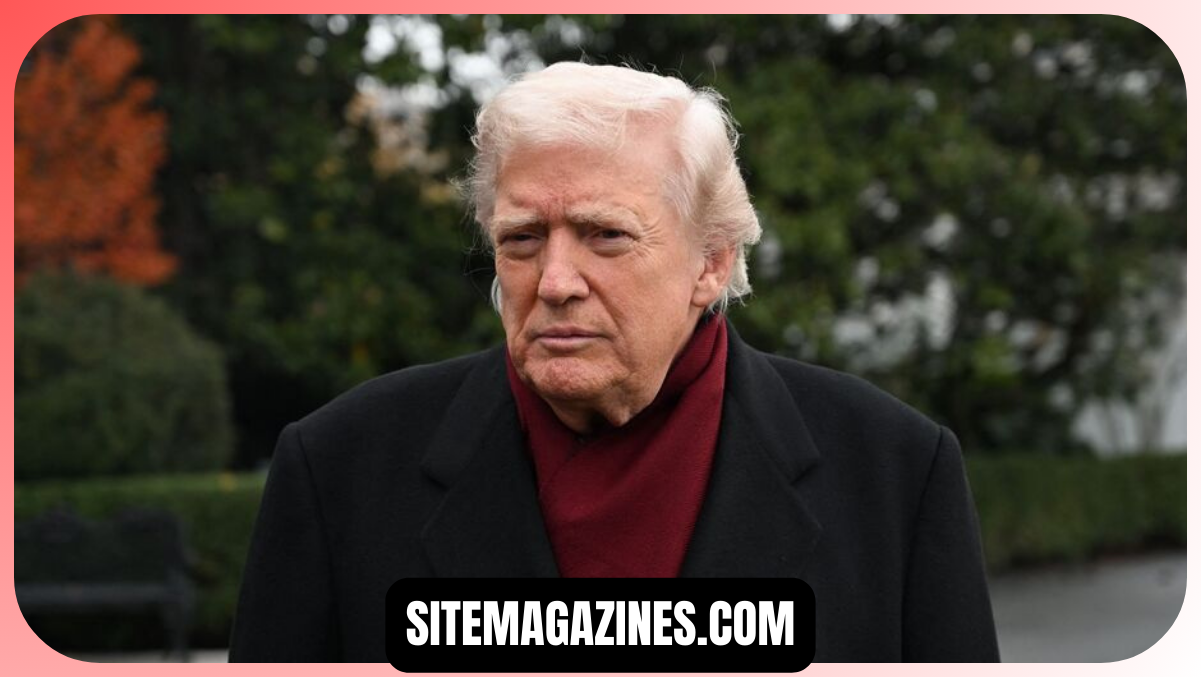
The phrase “trump dressed like mamdani” has recently caught attention online, fueling conversations across political circles, fashion commentary platforms, and social media feeds. Whether discussed as satire, symbolism, or a moment of cultural curiosity, the idea itself carries layers of interpretation. When two prominent public figures—each associated with very different political ideologies and public personas—are connected through something as visual and expressive as clothing, it naturally invites analysis.
Fashion has always been more than fabric and tailoring. It is a language, especially in politics. Leaders and public figures often use attire to signal alignment, authority, humility, or solidarity. When people speculate about Trump dressed like Mamdani, they are not merely discussing garments—they are engaging with symbolism, identity, and the cultural meanings behind presentation.
In this article, we’ll explore the broader context of such a discussion: the political symbolism of clothing, the contrast in public identities, the role of media narratives, and what moments like this reveal about modern political culture.
The Power of Political Fashion and Symbolism
Clothing has long been a strategic tool in politics. From tailored suits symbolizing authority to traditional garments representing cultural pride, what a political figure wears can communicate as much as their speeches. When the idea of “trump dressed like mamdani” surfaced, it immediately sparked curiosity because it suggested a crossing of visual identities.
Political fashion is rarely accidental. Leaders understand that every public appearance is photographed, dissected, and analyzed. A change in style can suggest openness, adaptability, or even satire. In many cases, clothing choices are deliberate attempts to resonate with a specific audience. For example, wearing regional attire during visits to different communities is often interpreted as a gesture of respect or solidarity.
In this context, imagining Trump adopting Mamdani’s style introduces an unexpected blend of political imagery. Mamdani, known for a more community-oriented and grassroots political image, often represents a progressive and culturally expressive approach. Trump, on the other hand, is widely recognized for his consistent business-suit aesthetic that reinforces a brand built on corporate authority and traditional power structures. The visual contrast alone explains why the concept generated discussion.
Contrasting Public Personas
One of the reasons the phrase gained traction is the stark contrast between the two figures. Trump’s public image has historically been tied to wealth, executive branding, and a strong, assertive presence. His wardrobe choices—structured suits, bold ties, and polished styling—have become part of his recognizable persona.
Mamdani, by contrast, represents a younger, progressive political voice. His style is often seen as approachable, modern, and reflective of multicultural influences. Clothing, in his case, can signal grassroots connection and cultural authenticity rather than corporate authority.
When audiences imagine Trump dressed like Mamdani, they are essentially picturing a symbolic shift. Such a visual change would not simply be about fashion—it would imply a transformation in messaging. Would it suggest adaptability? Irony? Or political commentary? These questions demonstrate how deeply appearance influences perception.
This contrast also highlights how visual identity reinforces political branding. Voters often subconsciously associate attire with ideology. A leader in formal business wear may appear authoritative and conventional, while someone in more relaxed or culturally expressive clothing may appear accessible and reform-driven. The imagined crossover challenges these mental associations.
Media Narratives and Social Media Amplification
In today’s digital age, even hypothetical or satirical ideas can go viral within hours. Social media thrives on visual contrasts and unexpected combinations. The phrase “trump dressed like mamdani” likely gained momentum because it was instantly shareable and visually provocative.
Media outlets and online commentators often amplify such topics because they spark debate and engagement. Political satire, memes, and digitally altered images play a significant role in shaping how audiences consume political content. A single image—real or imagined—can become a talking point across platforms.
The speed of digital discourse means that symbolism can overshadow context. Even if the concept originated as satire or commentary, it can evolve into a broader conversation about cultural identity and political alignment. This phenomenon reflects how modern political discussions increasingly blend entertainment, visual storytelling, and serious analysis.
Furthermore, such moments illustrate how politics has become intertwined with pop culture. Clothing choices are no longer minor details; they are content. The intersection of style and politics has become a powerful storytelling device in the media landscape.
Cultural Identity and Representation
Beyond politics, clothing often represents cultural identity. Mamdani’s style choices may reflect multicultural heritage and contemporary progressive values. When audiences imagine Trump adopting that style, they may interpret it as cultural signaling—or even appropriation—depending on the context.
Cultural representation in politics carries significant weight. Leaders who embrace diverse attire can signal inclusivity and awareness. However, authenticity plays a crucial role. Audiences tend to respond positively when attire aligns naturally with a person’s background or message. Conversely, sudden shifts can invite skepticism.
The broader conversation around this topic touches on how political figures navigate cultural symbolism. Is attire a bridge between communities, or does it risk being perceived as performative? The answer often depends on intent, consistency, and public perception.
In multicultural societies, visual representation matters. Clothing can acknowledge diversity and celebrate heritage. At the same time, it can also become a focal point for debate when it intersects with strong political identities.
Public Reaction and Interpretation
Public reaction to symbolic gestures varies widely. Supporters may see adaptability and openness, while critics may interpret the same action as strategic or insincere. The idea of Trump dressed like Mamdani highlights how divided interpretations can be.
For some observers, such an image might represent unity or cross-cultural engagement. For others, it could symbolize political satire or commentary on ideological differences. These varying reactions reveal how polarized modern political audiences have become.
Interestingly, discussions like this also demonstrate how much weight we place on visual cues. Policies and speeches remain critical, but images often dominate headlines and social feeds. A single photograph can shape narratives more quickly than a detailed policy statement.
Ultimately, the public’s interpretation often depends on pre-existing opinions. People tend to view symbolic gestures through the lens of their political alignment. This reinforces the idea that political fashion is rarely neutral—it is always filtered through perception.
The Broader Meaning Behind the Moment
The fascination with “trump dressed like mamdani” is less about clothing and more about what it represents. It reflects a cultural moment where visual symbolism, political branding, and digital storytelling intersect. It shows how modern audiences analyze even the smallest details for deeper meaning.
This phenomenon also underscores the evolving relationship between politics and identity. Leaders are no longer judged solely on policy positions but also on how they present themselves visually. Style has become part of the narrative strategy.
Moreover, the conversation highlights how society increasingly blends humor, critique, and analysis. What may begin as satire can evolve into a serious discussion about representation and authenticity.
In the end, the topic serves as a reminder that politics operates not only through speeches and legislation but also through imagery. Clothing, posture, and presentation are powerful communicators. When two contrasting figures are connected through a shared visual concept, it naturally sparks curiosity and debate.
Conclusion
The phrase “trump dressed like mamdani” captures the essence of modern political discourse—visual, symbolic, and instantly shareable. While the idea may have originated in satire or speculative commentary, it opens the door to broader discussions about identity, branding, and cultural representation in politics.
Fashion in public life is never just about aesthetics. It conveys messages, builds narratives, and shapes public perception. When contrasting political figures are imagined in each other’s visual styles, it challenges established identities and invites interpretation.
Ultimately, the lasting significance of such discussions lies in what they reveal about us as observers. We read meaning into clothing because we understand that presentation is part of power. In a world driven by images and rapid communication, even a simple wardrobe shift can become a national conversation.