


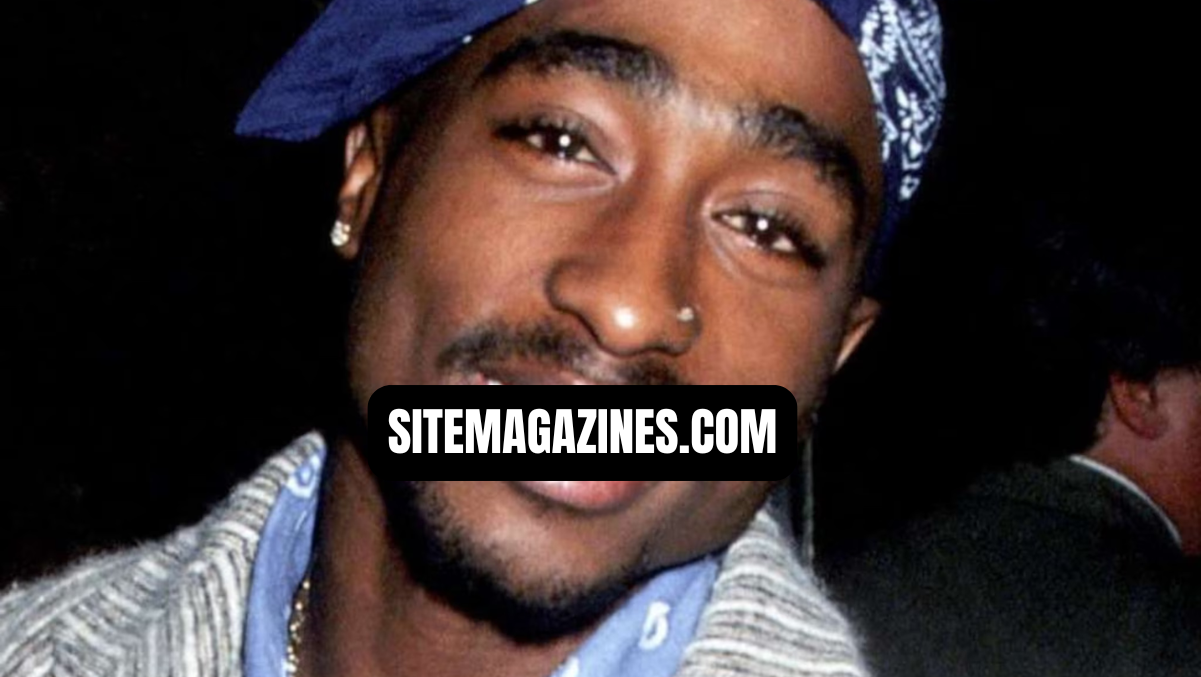
Tupac Shakur is one of those rare figures whose life feels larger than time itself. Even decades after his death, his influence on hip-hop, activism, and popular culture remains undeniable. Understanding his story through a clear Tupac timeline helps separate myth from reality while highlighting just how much he accomplished in such a short life.
Born into political struggle and raised amid instability, Tupac’s life was never ordinary. Every phase of his journey—from poetry and theater to rap superstardom and controversy—added another layer to his legacy. He wasn’t just reacting to the world; he was challenging it head-on through his art.
This article walks through Tupac’s life step by step, breaking down key moments in his timeline while offering context, insight, and expert analysis. Rather than glorifying or oversimplifying his story, this breakdown focuses on growth, conflict, creativity, and impact.
Early Life and Political Roots (1971–1989)
Any accurate Tupac timeline must begin with his deeply political upbringing. Tupac Amaru Shakur was born on June 16, 1971, in East Harlem, New York City. His name itself was a statement, honoring Túpac Amaru II, an 18th-century revolutionary who fought Spanish colonization. From birth, Tupac’s life was connected to resistance, activism, and struggle.
His mother, Afeni Shakur, was a prominent member of the Black Panther Party. She faced legal battles, financial instability, and constant surveillance, all of which shaped Tupac’s worldview. Growing up, Tupac was exposed to conversations about injustice, systemic racism, and empowerment—topics that would later dominate his music.
Despite hardships, Tupac showed artistic talent early. He attended the Baltimore School for the Arts, where he studied acting, poetry, jazz, and ballet. This period is often overlooked, but it’s crucial in the Tupac timeline. It explains his emotional depth, theatrical delivery, and ability to blend vulnerability with aggression in ways few rappers ever have.
Rise in Hip-Hop and Early Success (1990–1993)
Tupac’s entry into hip-hop marked a major turning point in his timeline. He began as a roadie and backup dancer for Digital Underground before earning a verse on “Same Song,” which introduced him to a wider audience. His charisma and lyrical sharpness immediately set him apart.
In 1991, Tupac released his debut album 2Pacalypse Now. The album was raw, political, and confrontational, tackling police brutality, poverty, and racism. While critics debated its tone, the album established Tupac as a fearless voice for marginalized communities. This stage of the Tupac timeline shows an artist more focused on message than mainstream appeal.
His follow-up albums, Strictly 4 My N.I.G.G.A.Z. and Me Against the World, showed rapid growth. Tupac balanced aggression with introspection, delivering songs about pain, loyalty, and survival. By 1993, he was no longer just a rapper—he was a cultural force whose words carried real weight.
Legal Troubles, Conflict, and Transformation (1994–1995)
This chapter of the Tupac timeline is one of the most complex and controversial. In 1994, Tupac was shot multiple times during a robbery at a New York recording studio. The incident left him physically wounded and emotionally changed. He believed figures within the music industry had betrayed him, fueling paranoia and anger.
Soon after, Tupac faced sexual assault charges, which resulted in a prison sentence in 1995. His incarceration became a defining moment. While in prison, Tupac reflected deeply on loyalty, betrayal, and power—ideas that later shaped his music and public persona.
During this period, Suge Knight posted Tupac’s bail, bringing him into Death Row Records. This decision drastically altered the trajectory of the Tupac timeline. While it revived his career and gave him massive resources, it also pulled him deeper into the East Coast–West Coast rivalry that dominated mid-1990s hip-hop.
Peak Fame, Death Row Era, and Lasting Impact (1996–Present)
The final phase of the Tupac timeline is marked by explosive creativity and tragic loss. After joining Death Row, Tupac released All Eyez on Me, the first double album in hip-hop history. It showcased his versatility—street anthems, introspective tracks, party hits, and emotional storytelling all coexisted.
At the same time, Tupac became increasingly involved in the East Coast–West Coast feud, particularly his rivalry with The Notorious B.I.G. Diss tracks, media appearances, and escalating tension created an atmosphere of constant conflict. Fame amplified both his influence and his vulnerabilities.
On September 7, 1996, Tupac was shot in Las Vegas and died six days later at the age of 25. While his life ended, his timeline did not. Posthumous albums, documentaries, academic studies, and cultural discussions continue to expand his legacy. Tupac remains a symbol of artistic truth, social resistance, and emotional honesty.
Why the Tupac Timeline Still Matters Today
Looking at the full Tupac timeline reveals more than just milestones—it shows evolution. Tupac wasn’t static; he changed, learned, contradicted himself, and grew. That complexity is why he still resonates across generations.
His music continues to influence artists worldwide, not just lyrically but philosophically. Tupac proved that vulnerability could coexist with strength and that hip-hop could be both personal and political. Few artists have managed to maintain that balance.
Ultimately, Tupac’s timeline is a reminder that impact isn’t measured by years lived but by voices raised and minds changed. His story remains unfinished because his influence refuses to fade—and that may be his greatest legacy of all.